
2026-09-19 · Dave Hendricks
What to Do Immediately After a Basement Sewage Backup
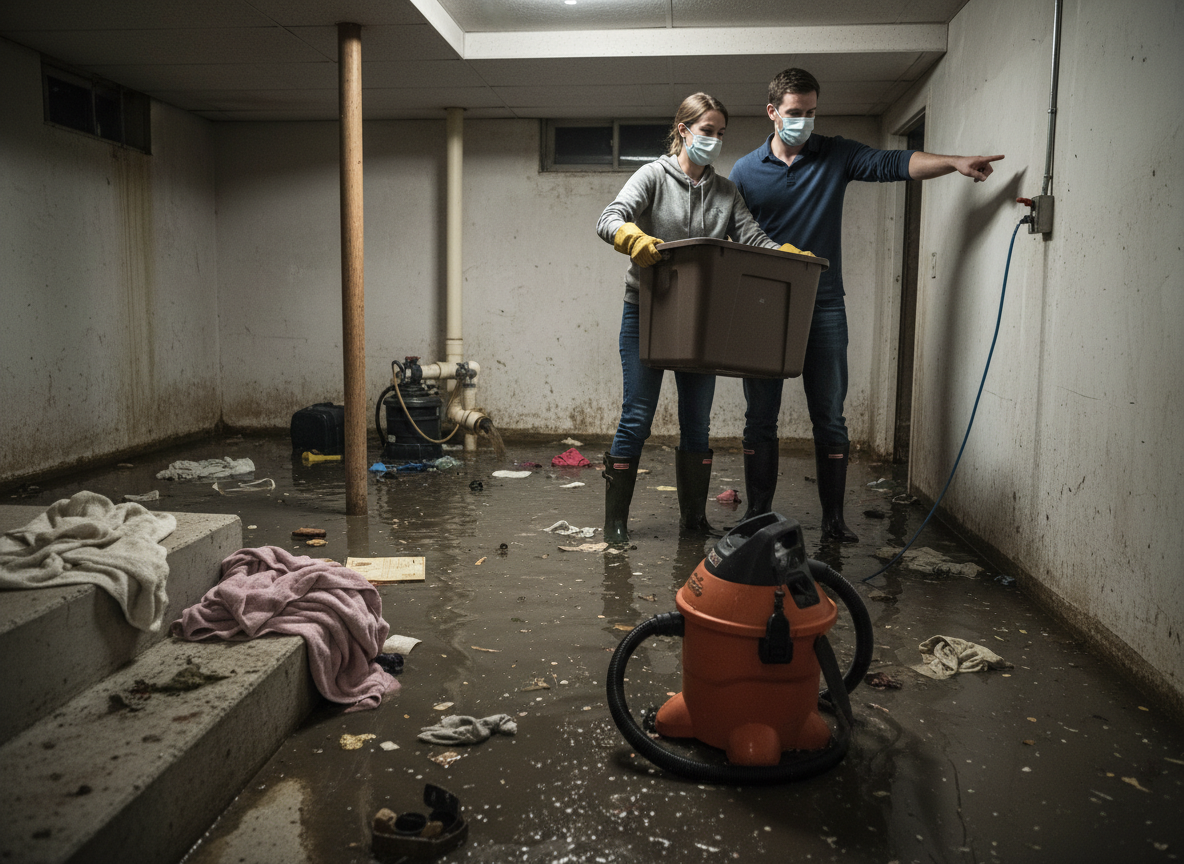
When sewage backs up into a La Crosse basement, the first hour determines how far contamination spreads through older foundation cracks common on the North Side and South Side. Shut off power to affected circuits if water reaches outlets, then leave the space until professionals arrive. Avoid walking through the effluent because La Crosse's humid continental climate keeps basements damp even in winter, allowing bacteria to multiply quickly on concrete and wood.
Secure the Area and Protect Occupants
In La Crosse homes built before 1970 along Vine Street or near Riverside Park, sewage often travels through floor drains connected to aging clay pipes that crack during freeze-thaw cycles. Evacuate pets and children immediately and close doors to upper levels to limit airborne particles. Open windows on the main floor only if outdoor temperatures allow fresh air exchange without pulling moisture deeper into the structure. Do not attempt to mop or use household fans yet, because warm summer humidity from the Mississippi River valley can turn standing water into a breeding ground for mold within 24 hours.
Stop Additional Flow When Safe
If the backup stems from a clogged main line rather than heavy rain near Grandad Bluff, locate the cleanout outside the foundation and avoid forcing water further into the home. Residents in Downtown or Powell-Poage-Hamilton often see backups after tree roots invade lines during wet springs. Never pour chemicals down the drain, as they can worsen pipe corrosion in the county's older infrastructure. Once the immediate source is isolated, document visible damage with photos for insurance while staying out of the contaminated zone.
Arrange Professional Extraction and Drying
La Crosse Sewage Response at 333 Vine St handles the full sequence of Basement Sewage Backup Cleanup that includes subfloor drying and antimicrobial treatment tailored to local soil conditions. Equipment must reach moisture trapped behind drywall in South Side split-levels before it migrates to joists. Delaying this step by even one day in cold weather lets ice form inside walls, expanding cracks when temperatures rise again. Compare this approach with Sewage Coming Up Through Floor Drain Cleanup to understand why floor-drain backups require different containment than toilet overflows.
Prevent Long-Term Structural Damage
After extraction, hidden pockets of moisture remain in crawl spaces common under North Side bungalows and near the La Crosse Center. Professional drying with dehumidifiers sized for the square footage prevents recurring growth that appears weeks later during warm spells. Homeowners in nearby Winona or Eau Claire face similar river-influenced humidity, but La Crosse's bluff terrain creates unique drainage patterns that funnel water toward lower basements. Follow up by reviewing Why Is Sewage Coming Up Through a Basement Floor Drain? to identify whether repeated events trace to municipal lines or private laterals.
Monitor and Restore Affected Materials
Once surfaces test dry, remove and replace porous items such as carpet pad or insulation that absorbed effluent. In Weigent-Hogan or Logan Northside homes, this often includes sections of subfloor that sat under water for several hours. Schedule a follow-up inspection after the first freeze to confirm no ice expansion reopened seams. Consistent attention to these steps limits secondary repairs that otherwise appear when spring rains return to the region.