
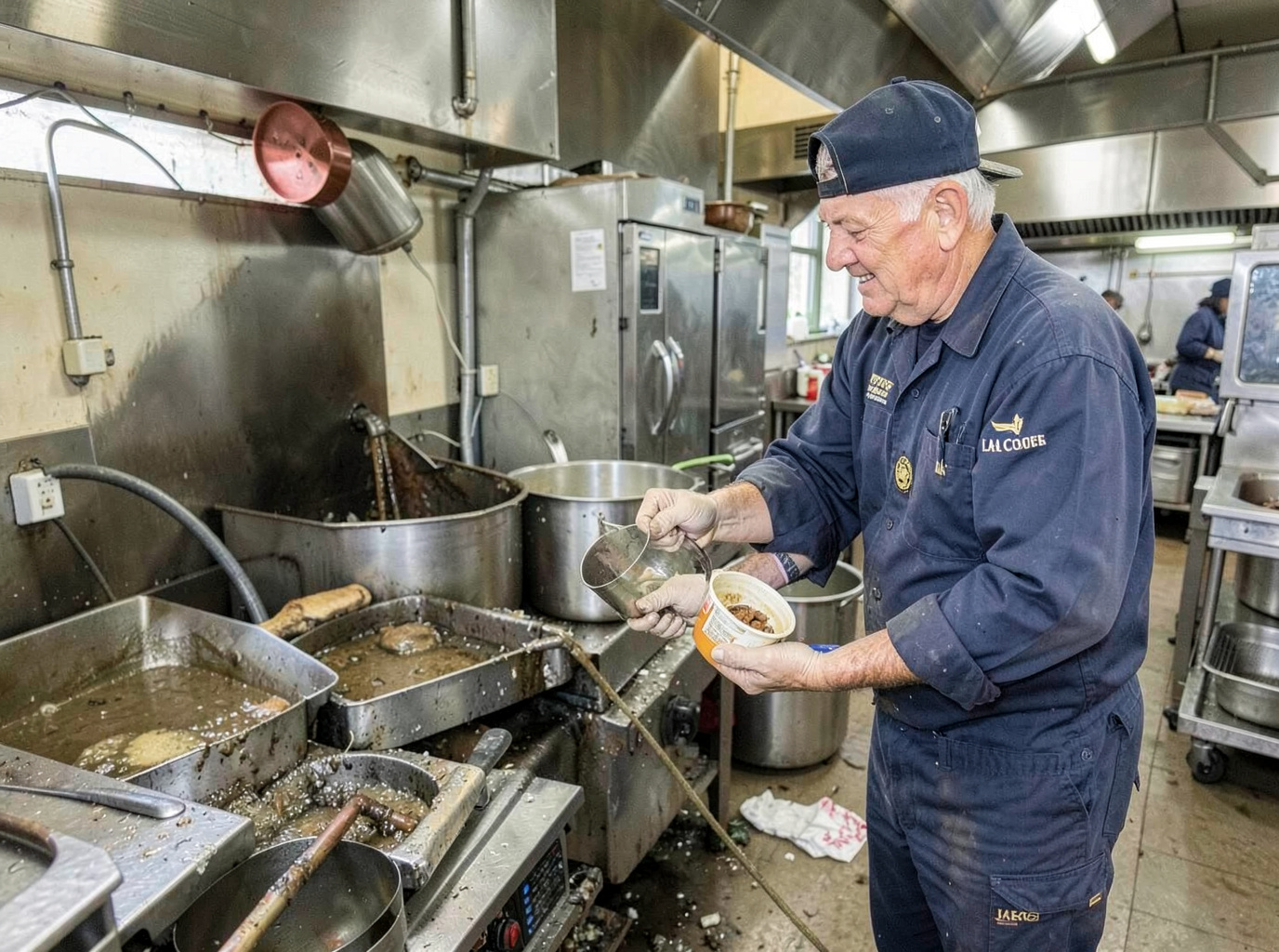
Restaurants along the South Side and near Riverside Park often face sewage backups when older cast-iron lines under kitchen floors crack from freeze-thaw cycles in La Crosse's humid continental winters. Grease accumulation combines with cold-weather pipe contraction to push waste upward through floor drains, requiring immediate extraction to protect tile and subflooring before bacteria sets into grout lines. Crews start by isolating the affected prep and dish areas to keep the rest of the kitchen operational where possible.
Commercial kitchens in Downtown buildings built before 1950 frequently have narrow access points and shared laterals that run toward the river, making containment more complex when backups reach dining rooms. Technicians use moisture meters on concrete slabs and behind baseboards to locate hidden saturation, then apply EPA-registered disinfectants rated for food-service surfaces. Odor neutralization follows with targeted fogging rather than simple fans, because residual hydrogen sulfide lingers in porous materials common to these older structures.
Summer humidity accelerates mold growth on any remaining damp cellulose, so drying protocols include dehumidifiers sized for commercial square footage and daily moisture logging until readings drop below 12 percent. Coordination with La Crosse County health inspectors is standard before reopening to ensure all surfaces meet food-safety thresholds after a sewage event.
Technician insight
In La Crosse, the thing that catches most people out with Restaurant & Commercial Kitchen Sewage Cleanup is how quickly cold winter groundwater infiltrates cracked clay laterals near the river, turning a simple grease clog into a full-floor backup that reaches the dining room before anyone notices.
South Side Kitchen Backup Near Riverside Park
A restaurant on the South Side reported sewage rising through multiple floor drains during a January thaw. Crews found the shared lateral blocked by grease and root intrusion from the nearby park. Extraction and targeted disinfection of the slab and baseboards allowed reopening within 48 hours after county inspection.
Restaurant & Commercial Kitchen Sewage Cleanup Services We Offer
✓Grease Trap Overflow Cleanup
Full extraction and sanitization of grease traps and connected lines after backups that send FOG waste into kitchen floors and prep areas.
✓Kitchen Floor Drain Restoration
Clearing and decontaminating clogged floor drains that back up from shared laterals, followed by disinfection of surrounding tile and grout.
✓Commercial Kitchen Decontamination
Surface-by-surface cleaning of walls, equipment legs, and under-counter spaces using food-contact-safe disinfectants after sewage intrusion.
✓Post-Backup Odor Removal
Neutralizing hydrogen sulfide and organic odors trapped in porous materials with fogging agents and air scrubbing equipment.
✓Dining Area Sewage Extraction
Rapid removal of sewage that migrates from kitchen lines into dining rooms, protecting hardwood, carpet, and baseboards in older La Crosse buildings.
Restaurant & Commercial Kitchen Sewage Cleanup Cost in La Crosse, WI
| Service | Typical Range | What Affects It |
|---|---|---|
| Single drain backup extraction and disinfect | $650–$950 | Higher when shared laterals require traffic control on Vine Street |
| Full kitchen floor and wall decontamination | $1,800–$3,200 | Depends on square footage and whether dining room is affected |
| Odor neutralization after sewage event | $400–$700 | Includes multi-day air scrubbing in humid summer conditions |
| Emergency after-hours response | $250–$450 | Added when crews mobilize outside normal business hours |
Ranges are typical for La Crosse, WI and confirmed with an exact written quote before any work starts.
How it works
- 1
Site Assessment
Technicians inspect all affected drains, trace the shared lateral direction toward the river, and document saturation in slab and wall cavities.
- 2
Containment and Extraction
Plastic barriers isolate the kitchen; pumps and wet vacuums remove standing waste while protecting adjacent prep stations.
- 3
Disinfection and Drying
EPA-registered agents treat all surfaces, followed by commercial dehumidifiers and air movers until moisture readings stabilize.
- 4
Final Clearance
Health department coordination and walkthrough confirm surfaces meet standards before kitchen staff resume operations.
Pricing
Commercial kitchen jobs are priced by affected square footage, number of drains involved, and access constraints typical in older Downtown buildings.